




Welcome to gochengdu.cn!
You need to accept our privacy and cookie policy to continue to browse our website. You can change your cookie settings through your browser.

The Regulations of Chengdu on Dog Ownership Management will come into effect on August 1, 2026.
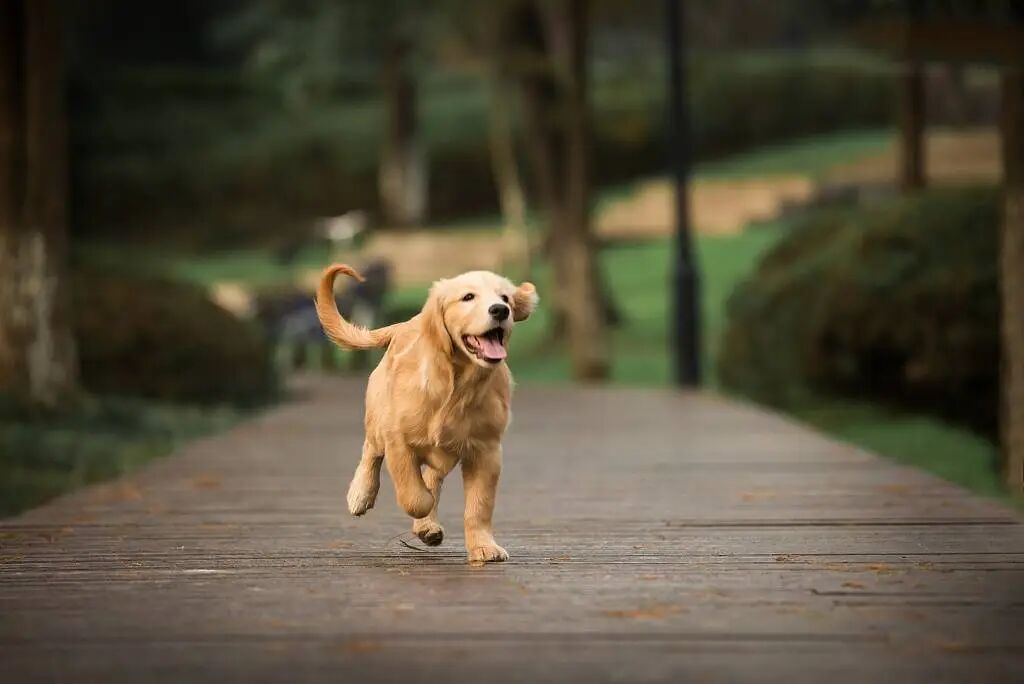
Restricted and Non‑Restricted Areas
According to the regulations, dog ownership in Chengdu’s administrative area is managed through a system of restricted and non-restricted areas.
Restricted areas include the entirety of Jinjiang District, Qingyang District, Jinniu District, Wuhou District, and Chenghua District, as well as other areas designated and announced by the people’s governments of counties, county-level cities, and districts. The administrative committees of Sichuan Tianfu New Area, Chengdu Eastern New Area, and Chengdu Hi-tech Zone are responsible for designating and announcing the boundaries of restricted areas.
Non-restricted areas include all areas outside the restricted areas.
One Dog per Household in Restricted Areas in Principle
In principle, households in restricted areas are allowed to keep only one dog. The restriction does not apply to guide dogs and other service dogs kept by people with disabilities.
Prohibited Dog Breeds in Restricted Areas
In restricted areas, the sale and keeping of dangerous dogs are not permitted. The specific criteria for identifying dangerous dogs are determined and regularly announced by relevant departments of Chengdu Municipal Bureau of Agriculture and Rural Affairs in coordination with public security authorities. Currently, dangerous dogs include 35 breeds, such as Rottweiler, Dobermann, Belgian Malinois, and Akita, as well as large dogs with a height of 65 centimeters or above.
Prohibited dogs already kept in restricted areas may continue to be kept if they were legally registered before the implementation of the regulations.
List of Prohibited Dog Breeds (35 Breeds)
1. American Pit Bull Terrier
2. American Staffordshire Terrier
3. Dogo Argentino
4. Japanese TosaInu
5. Cane Corso
6. Central Asian Shepherd Dog
7. Caucasian Shepherd Dog
8. Tibetan Mastiff
9. Neapolitan Mastiff
10. Doguede Bordeaux
11. Mastiff
12. Akita
13. German Shepherd Dog
14. Chuan Dong Hound
15. Bull Terrier
16. Newfoundland
17. Irish Wolfhound
18. Kunming Dog
19. Czechoslovakian Wolfdog
20. Borzoi
21. Great Dane
22. Chinese Rural Dog (dogs over 50 cm at the shoulder)
23. Afghan Hound
24. Rottweiler
25. Bloodhound
26. Great Pyrenees
27. Boxer
28. Bernese Mountain Dog
29. Doberman Pinscher
30. Belgian Malinois
31. Kangal Dog
32. Brazilian Fila
33. Komondor
34. Presa Canario
35. Irish Setter
Mandatory Rabies Vaccination for Dogs
The regulations stipulate the implementation of a mandatory rabies vaccination system for dogs in Chengdu’s administrative area. Dog owners are required to ensure that their dogs are vaccinated against rabies within 15 days from the date the dog reaches three months of age or from the date they acquire an unvaccinated dog. Regular vaccination should be completed within 30 days before the expiration of the immunity period.
Dog Registration
Within 10 days after acquiring a vaccinated dog or completing the dog’s vaccination, dog owners are required to obtain a dog registration certificate and a dog identification tag by applying online through the dog ownership management information system—accessible on WeChat by searching 蓉城犬管 (“Chengdu Dog Management”)—or by applying in person at a local police station. No fee is charged for the registration. The dog registration certificate is valid for the same period as the immunity period. Registration renewal should be completed within 30 days prior to its expiration.
Leash Length Must Not Exceed Two Meters
The regulations specify the rules for taking dogs outdoors. Dog owners taking a dog outdoors should ensure that the dog wears its identification tag and is kept in a dog crate, in a dog carrier, or on a leash. The leash must not exceed two meters in length and should be shortened in crowded areas. Owners taking a dog outdoors are required to give way to elderly people, people with disabilities, pregnant women, children, and other pedestrians. They should carry tools or items for cleaning up dog waste, promptly remove any excrement, and ensure that the dog does not defecate in public. When taking a dog on an elevator, owners should take safety measures, such as shortening the leash, using a muzzle, or placing the dog in a carrier or a crate.
Prohibited Entry at Hospitals, Schools, Metro Stations, and Other Public Places
The regulations specify that dogs are prohibited from entering the following places (except for guide dogs, hearing dogs, assistance dogs, and other service dogs kept by people with disabilities): government office areas, hospitals, schools, and kindergartens; cinemas, theaters, museums, art galleries, libraries, extracurricular educational facilities, and sports venues; protected cultural heritage sites and religious sites; urban rail transit and buses; and other locations where dog entry is prohibited by laws, regulations, or rules.
Edited by Zhang Yuanlin
Source: Home in Chengdu

